Why water and sanitation are women’s rights issues
Source: UN Women
How do you use water every day?
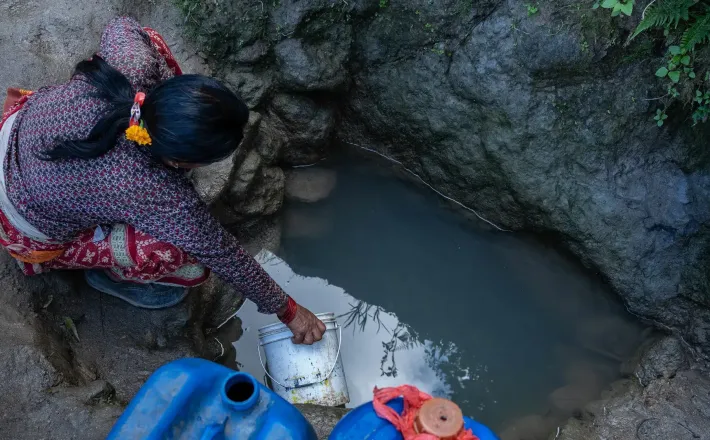
You drink, bathe, cook, clean, flush, create, and grow with it. You may get it from a tap, bottle, bucket, river, or well.
Water – unpolluted, adequate, and affordable – is essential to the full enjoyment of our lives.
It is a human right and it is fundamental, in obvious and not-so-obvious ways. Access to clean water, as well as sanitation, may influence whether a girl can go to school, if a pregnant woman can deliver a healthy baby, or if a family has enough food to eat.
Water and sanitation – or the lack of them – impact the safety, agency, and time of women and girls all over the world.
How do you use water every day?
You drink, bathe, cook, clean, flush, create, and grow with it. You may get it from a tap, bottle, bucket, river, or well.
Water – unpolluted, adequate, and affordable – is essential to the full enjoyment of our lives.
It is a human right and it is fundamental, in obvious and not-so-obvious ways. Access to clean water, as well as sanitation, may influence whether a girl can go to school, if a pregnant woman can deliver a healthy baby, or if a family has enough food to eat.
Water and sanitation – or the lack of them – impact the safety, agency, and time of women and girls all over the world.